Tips to Detect Scam Dating
How to Spot and Avoid Romance Scams in Online Dating
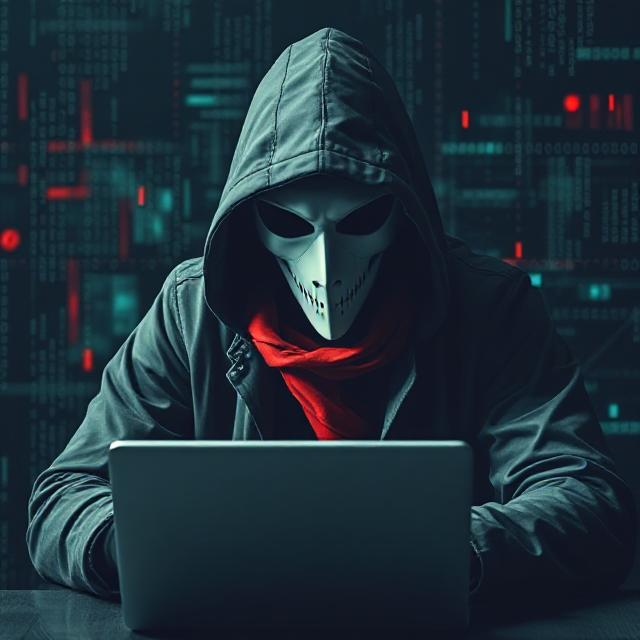
Online dating has become very popular, but it has also attracted a large number of scammers. Many people looking for genuine relationships end up losing money and trust because they didn’t recognize the warning signs early enough.
Romance scams are unfortunately common, especially on international dating sites. The good news is that most scammers follow predictable patterns. If you know what to look for, you can protect yourself effectively.
Common Red Flags
Here are the most frequent warning signs that someone may not be who they claim to be:
- They move too fast emotionally. Scammers often declare strong feelings very quickly (sometimes within days or weeks). Real relationships usually develop more gradually.
- They avoid video calls or in-person meetings. If someone keeps making excuses to avoid showing their face on video, this is a major red flag.
- They ask for money. This is the clearest sign of a scam. Common excuses include medical emergencies, family problems, travel issues, or being stuck in another country. A genuine person will not ask you for money early in a relationship.
- Their stories don’t add up. Pay attention to inconsistencies in their background, location, job, or personal history.
- Their profile looks too perfect. Many scammers use stolen photos. If the photos look extremely professional or model-like, do a reverse image search using Google Images or TinEye.
- They have poor grammar or use strange phrasing. While not always the case, many scammers write with unusual spelling, grammar mistakes, or overly formal language.
Modern Scam Tactics in 2026
Scammers have become more sophisticated. Here are some newer methods to watch out for:
- AI-generated photos and deepfake videos. Some scammers now use artificial intelligence to create realistic profile pictures or even video calls.
- Requests for cryptocurrency or gift cards. Instead of asking for bank transfers, many scammers now prefer crypto payments or gift cards because they are harder to trace.
- Long-term grooming. Some scammers build trust over several months before asking for money. They may even send small gifts first to gain your confidence.
- Fake profiles on legitimate sites. Scammers often create profiles on well-known dating platforms, not just shady websites.
How to Protect Yourself
Here are practical steps you can take to stay safe:
- Move to video calls early. A real person will usually be willing to video chat within a reasonable time. If they keep avoiding it, be very cautious.
- Do a background check. Search their name and photos online. Check if the same photos appear on multiple profiles or websites.
- Never send money or personal financial information. This is the most important rule. No matter how convincing the story sounds, do not send money to someone you haven’t met in person.
- Trust your instincts. If something feels off or too good to be true, it usually is. It’s better to be cautious than to lose money.
- Use reputable dating platforms. Stick to well-known sites that have verification systems and ways to report suspicious profiles.
What to Do If You Suspect a Scam
If you think you’re talking to a scammer:
- Stop all communication. Block the person and do not respond to any further messages.
- Report the profile. Use the reporting feature on the dating site or app.
- Report it to authorities. You can report romance scams to:
- The Internet Crime Complaint Center (IC3)
- The Federal Trade Commission (FTC)
- Local authorities in your country
- Warn others if appropriate. Sharing your experience (without sharing personal details) can help protect other people.
Final Advice
Online dating can be a great way to meet someone, but it requires caution — especially when dating internationally. Most romance scammers rely on emotional manipulation and people’s desire to find love.
The best protection is simple: Never send money to someone you haven’t met in person, move to video calls early, and trust your gut when something doesn’t feel right.
Stay aware, take your time, and don’t let anyone pressure you into sending money or sharing sensitive information. Real relationships are built on trust — not on financial requests.